Despite initial enthusiasm following clearance by the Defence Acquisition Council on February 12, 2026, India’s proposal to purchase 114 Rafale fighter planes from France has not made much progress in the last two months.Indian military history
The transaction did not proceed despite strong expectations that French President Emmanuel Macron’s visit to India shortly after would speed things up. The proposal has not yet received approval from the Cabinet Committee on Security, which was anticipated as the next step. This has led to discussion over the reasons for the delay.
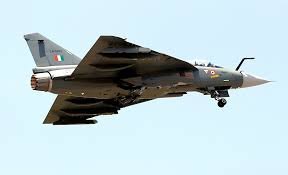
A lack of fighters in its fleet has put pressure on the Indian Air Force. There are currently about 29 squadrons, each with about 18 aircraft, compared to the sanctioned strength of 42. Delays in the delivery of the TEJAS MK-1A fighter jet, of which 180 were ordered but have not yet reached service in the anticipated quantities, have made this gap worse.
Since India already has two squadrons and has ordered 26 naval variants for the Navy, Rafale has emerged as the favored choice. Expanding the fleet makes sense because the aircraft is integrated into India’s operational and training systems.
The current plan calls for 96 aircraft to be produced in India, with local production accounting for 30% to 60% of the total, and 18 aircraft to be delivered in flyaway condition. It would be one of India’s biggest defense purchases, valued at about ₹3.25 lakh crore.
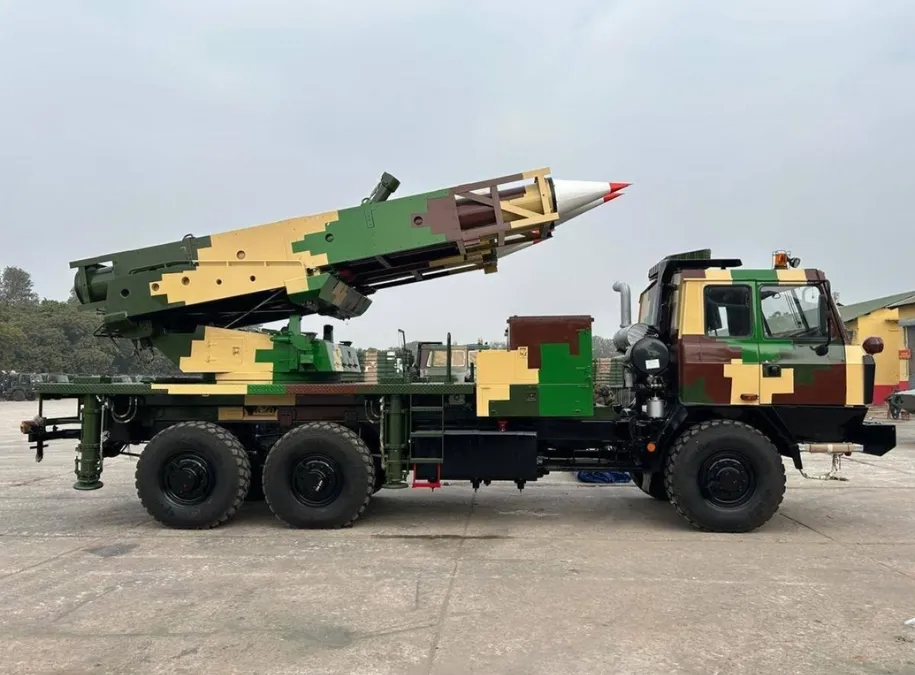
India is focusing on incorporating domestic weaponry and missiles into the Rafale platform in addition to purchasing aircraft. This provides software access and long-term upgrade flexibility for weapon integration. In this regard, the BrahMos missile system—which was developed in collaboration with Russia—has been highlighted. A more advanced version with an 800-kilometer range is being developed, but integrating it with Rafale would need extensive technical access to aircraft systems.Defense policy of the ministry
The degree of access needed has alarmed French officials, especially with regard to data security and critical software. India’s close defense relations with Russia, which raise concerns about technological security, add to their anxiety. The matter is geopolitically delicate because France, a NATO member, is opposed to Russian influence, particularly in the wake of the Russia-Ukraine war.
For both parties, the agreement is still strategically significant. It provides India with a workable way to deal with the lack of fighters.
It is a significant defense export possibility for France. If all goes according to plan, India will have roughly 176 Rafale aircraft, making it one of the biggest operators outside of France, whose Air Force presently has about 300.
Other countries have withdrawn from Rafale negotiations due to similar worries over source code and integration requirements. How India and France settle issues of software access, weapons integration, and confidence in long-term technology sharing will now determine the deal’s destiny.