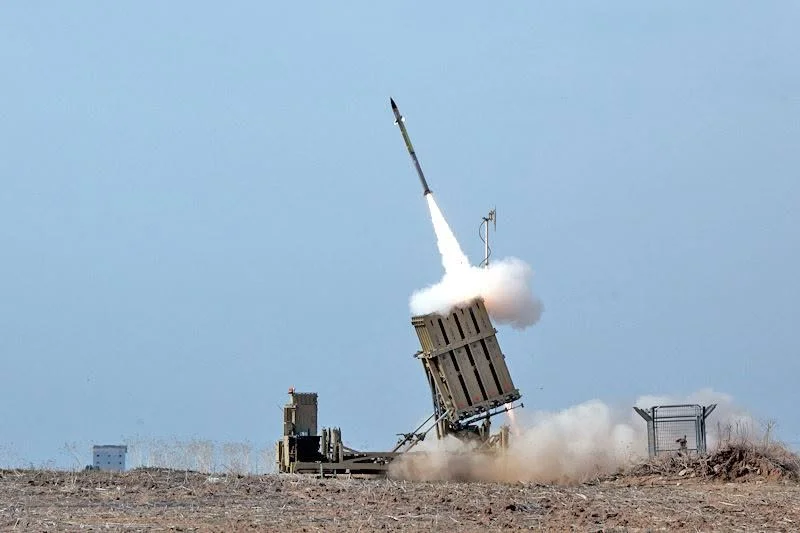
According to Mathrubhumi, Israeli defense giant Rafael Advanced Defence Systems is in advanced talks with Indian defense companies to set up a production line for the Tamir interceptors used in the Iron Dome air defense system.
If approved, this would represent a significant extension of the defense cooperation between Israel and India, bolstering domestic production and establishing India as a center for the export and domestic deployment of cutting-edge missile defense systemAccording to the plan, India will become the second nation outside of Israel to manufacture Iron Dome interceptors, after the United States. This is in line with India’s long-standing strategy of promoting local manufacturing by international defense firms through joint ventures, knowledge transfer, and industrial cooperation.
s.The idea reflects greater collaboration in defense production, technology exchange, and supply-chain resilience rather than just assembly.
According to officials, the agreement may include methods for emergency procurement during times of increased security, cooperation on future military technology, and collaborative manufacture of other defense systems. The talks show a desire to formalize a partnership that has slowly grown over the previous 20 years, while specifics are still unknown.
Rafael believes that India is significant since it is one of the biggest importers of defense in the world and because it advocates for localization. Rafael would benefit from lower manufacturing costs, access to India’s expanding defense industrial base, a hub for exports, increased resilience by expanding production outside of Israel and the US, and compliance with India’s localization criteria if he established production there.
Through its collaboration with Raytheon, Rafael already runs production lines in the US and Israel; adding a site in India would expand its global networkThe project aligns with India’s goal of increasing indigenous defense manufacturing and lowering dependency on imports. In an effort to improve supply chains, generate skilled jobs, and increase defense exports, successive governments have supported programs that encourage international manufacturers to establish facilities in India. Production of Tamir interceptors would expand India’s expanding defense ecosystem with another valuable missile program.The Defense Sector
.The defense cooperation between Israel and India has progressively expanded, encompassing electronic warfare, radars, missiles, drones, and surveillance systems. The jointly created Barak 8 air defense system, which is currently in use by India’s Army, Navy, and Air Force, is a significant success.
Additionally, Israeli businesses have collaborated with Indian businesses to produce UAVs and other equipment. Rather than being a one-time purchase, the planned Iron Dome interceptor production would be a continuation of this developing industrial partnership.
The timing is crucial since ongoing conflicts and changing security threats have increased demand for air defense systems worldwide. To combat rockets, drones, and cruise missiles, governments all over the world are investing in missile defense. Rafael might meet this demand, lessen the strain on current facilities, and provide supply-chain flexibility in times of crisis by increasing production capacity outside of Israel.
The project would need choices on knowledge transfer, production responsibilities, export agreements, and regulatory clearances; however, no formal agreement has yet been madeHowever, the plan is significant because it represents a larger trend in the global defense manufacturing industry, where businesses are increasingly forming production alliances in nations with industrial capacity, highly qualified labor, and expanding markets.Geographical Reference
These collaborations help India maintain its status as a center for defense manufacture. Rafael believes that entering India will increase flexibility, boost exports, and strengthen its position in one of the biggest defense markets globally.
.