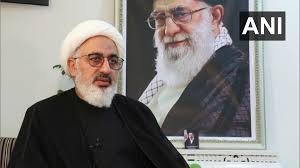
Abdul Majid Hakeem Ilahi, Iran’s Supreme Leader’s envoy to India, has categorically denied allegations that Pakistan is acting as a mediator between Tehran and Washington in the continuing crisis in West Asia.
In an interview with ANI, he claimed that such claims were “not true” and that they were not a reflection of sincere diplomatic efforts, but rather were intended to affect the price of oil globally.
He emphasized that Pakistan had “no role” in promoting communication and charged those propagating the narrative with manipulating markets through conversations without any real desire to engage in meaningful dialogue.
Ilahi clarified that the purported talks ascribed to Pakistan were fake, pointing out that they were presented as proposals for peace but lacked authenticity. He maintained that the claims were intended to serve economic interests while giving the appearance of diplomatic participation.
He rejected the idea of Pakistan serving as a mediator and emphasized that Iran has not participated in such negotiations through Islamabad.
Ilahi gave a positive response when asked about India’s possible involvement in peace initiatives, stating that all nations, including India, may make beneficial contributions to putting an end to the conflict.
He emphasized the need for international cooperation to end the conflict and find a solution, implying that India and other countries might contribute significantly to the advancement of peace.
Ilahi stated that the United States and Israel, whom he accused of starting hostilities against Iran on February 28, will determine how long the conflict might endure.
He said that their attacks caused extensive damage and innocent casualties by specifically targeting civilian infrastructure, such as hospitals, schools, residential areas, and other essential facilities. He maintained that if those nations stopped acting aggressively, the war might be over.
Ilahi reaffirmed that Iran did not seek violence while in Patna to attend a memorial service for the late Iranian Supreme Leader, Ali Khamenei.
He emphasized that Tehran wanted the war to end right away and called it unfair and forced upon Iran. He emphasized the suffering of people in several nations and called on world leaders to step in and put pressure on the war’s initiators to stop their acts.
He went on to say that he hoped the conflict would eventually cease, but he did not provide a timeframe. He emphasized that although Iran has always opposed war, it had been compelled to retaliate after the combined US-Israeli strikes that killed Ayatollah Ali Khamenei.
Tehran retaliated by attacking US and Israeli assets throughout the Gulf, upsetting waterways and upsetting international energy markets, all of which had an impact on the stability of the world economy.
