Despite rumors circulating on social media, sources have confirmed that China is not slowly encroaching on Arunachal Pradesh.
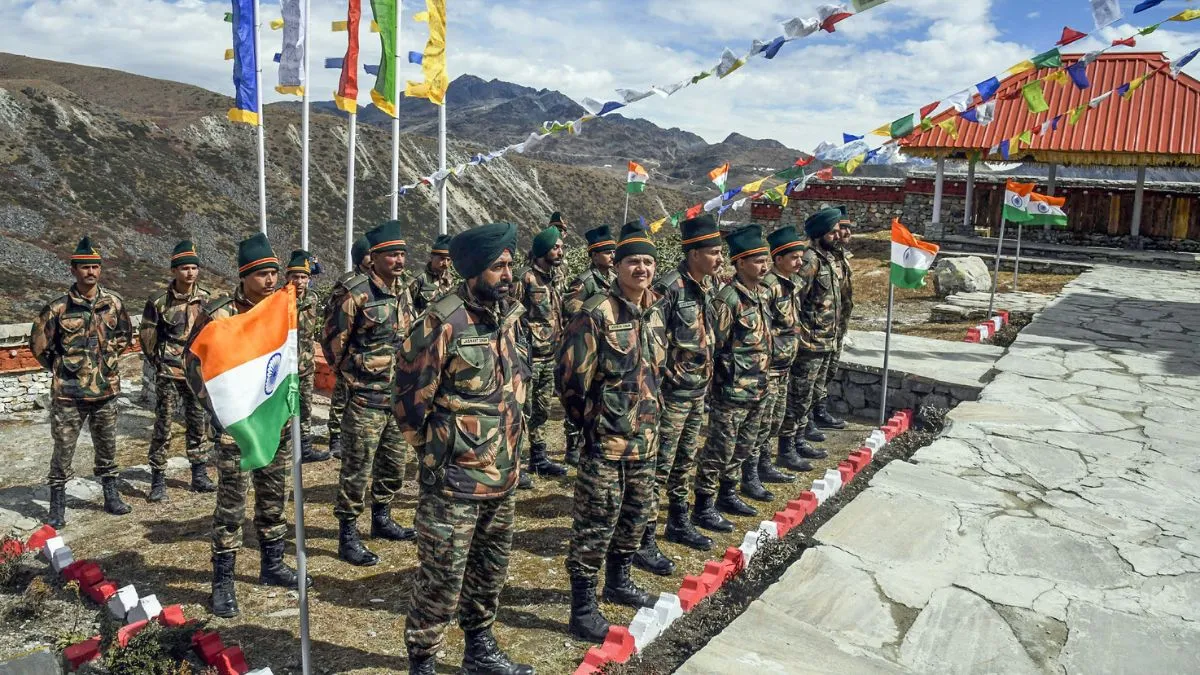
The Indo-Tibetan Border Police and the Indian Army are ready to control the border, keep an eye on events, and stop Chinese activity. Officials emphasized that such dramatic accusations are meaningless attention-seeking tactics.Diaspora and South Asians
China has long maintained that Arunachal Pradesh is a part of what it refers to as South Tibet. This claim was made during boundary negotiations in 1960, when Beijing made claims to an area of around 69,000 square kilometers. India has continuously denied these claims, stating that Arunachal Pradesh is an essential and unalienable part of the nation. China has been informed of this stance on several occasions.
The 1959 Chinese raid on the Assam Rifles outpost at Longju, which was later taken and is still under enemy possession, was mentioned historically. Due to China’s infrastructure development efforts, the region has often attracted attention.
Significant Chinese operations were initiated in the valleys of Kameng, Subansiri, Siyom, Siang, and Lohit during the 1962 war. But the PLA retreated north of the Line of Actual Control after the ceasefire. Along the Great Himalayan range, Arunachal Pradesh and Tibet nevertheless share a sizable border.
India has made a concentrated infrastructural drive in the area in recent years, allowing for improved surveillance and patrolling. According to sources, face-offs between patrols are sometimes caused by the border’s lack of demarcation and are settled by established procedures. In order to combat any action along the frontier, the Army and ITBP continue to be watchful and ready.
Arunachal Pradesh is an essential and unalienable part of India, the Ministry of External Affairs reaffirmed on Tuesday.
In response to Beijing’s repeated attempts to give Chinese names to Indian territory, India officially designated 27 sites in the state by their conventional names on the official Survey of India map, which prompted China to make this statement. Nothing can change this undeniable fact, MEA spokesperson Randhir Jaiswal emphasized.
India has emphasized how crucial it is to maintain peace along the Line of Actual Control. Jaiswal made reference to the Working Mechanism for Consultation and Coordination on India-China Border Affairs’ 36th meeting, which took place in New Delhi on August 6.
Both parties evaluated the situation along the LAC and had open discussions. It was emphasized that the general growth of bilateral relations depends on preserving peace and stability in the border regions.
In order to settle unresolved concerns and prevent misunderstandings, both sides decided to continue using diplomatic and military channels, including as the WMCC, local commander-level meetings, and other procedures, according to the MEA announcement.
In-depth discussions on boundary delimitation, border management, mechanism-building, and trans-border cooperation were conducted in response to the findings of the 24th Special Representatives Talks.
India emphasized the significance of exchanging technical details on upstream projects and reaffirmed the necessity of holding the next meeting of the Expert Level Mechanism on trans-border rivers as soon as possible.
The general message from Indian officials is unambiguous: the Army and ITBP are maintaining security and vigilance along the delicate border, and Arunachal Pradesh is still firmly under Indian authority.
Diplomatic and military mechanisms continue to function as stabilising tools, reinforcing India’s position and countering unfounded claims.
South Asians & Diaspora