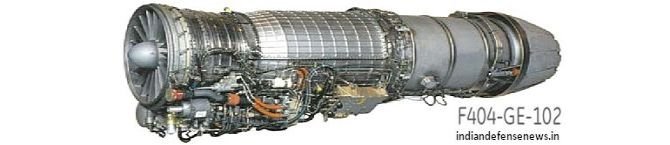
Final commercial discussions for the F414 jet engine have been made possible by the successful conclusion of intricate technology transfer negotiations between GE Aerospace and Hindustan Aeronautics Limited (HAL).
India will be able to co-produce cutting-edge engines for the TEJAS MK-2 and other future combat aircraft thanks to this historic agreement, greatly enhancing domestic defense capabilitiesThe deal between GE Aerospace and HAL marks a significant advancement in defense collaboration between the US and India. The F414 engine agreement, which is the first of its kind between Indian and American defense companies, involves the transfer of advanced technology and manufacturing know-how.
With the Indian Air Force owning and running the facility, this co-production agreement will enable India to produce 99 F414 jet engines domestically. To guarantee efficient manufacturing, GE will supply technical inputs, training, support personnel, and specialized equipment.
The I
ndian Air Force has estimated that between 120 and 130 TEJAS MK-2 fighter aircraft will be built using these engines. This may result in an order for more engines than the first 99Additionally, the agreement supports India’s Advanced Medium Combat Aircraft (AMCA) program. The F414-GE-INS6 engines are anticipated to power the first two squadrons.
Both parties have now completed this crucial round of the technology transfer negotiations, which were described as extremely complicated. After the last phase of commercial discussions, the agreement is anticipated to be legally finalized by December 2026.
.Notably, HAL and GE have decided to shorten the setup phase from three years to two years in order to expedite the manufacturing timetable. The purpose of this accelerated timetable is to guarantee on-time delivery for the AMCA MK-1 and TEJAS MK-2 programs.
.For India, the deal is strategically important. It strengthens the Indian Air Force’s combat capability in the face of regional security threats, increases self-sufficiency in defense manufacture, and decreases reliance on foreign suppliers.
The agreement fosters wider strategic cooperation in the Indo-Pacific and represents strengthening defense ties between the United States and India.
This development coincides with India’s efforts to address dwindling squadron strength and modernize its air force. In addition to representing a new phase of defense cooperation between Washington and New Delhi, the F414 engine agreement is anticipated to significantly improve India’s aerospace sector.