The 36th meeting of the Working Mechanism for Consultation and Coordination on Border Affairs (WMCC) was called by China and India on Thursday in New Delhi.
Hou Yanqi, Director General of the Boundary and Oceanic Affairs Department of China’s Ministry of Foreign Affairs, led the Chinese mission, while Sujit Ghosh, Joint Secretary (East Asia) in the Ministry of External Affairs, led the Indian team. On Friday, the MEA issued an official statement following the meeting.
Both parties examined the situation along the Line of Actual Control and had open discussions. They emphasized that the general growth of bilateral relations still depended on preserving peace and tranquility in the border regions.
The MEA emphasized that in order to settle unresolved concerns and prevent misunderstandings and miscalculations along the LAC, both parties agreed to keep using the current diplomatic and military channels, including as the WMCC, local commander-level meetings, and other agreed mechanisms.
The two parties had in-depth discussions on boundary delimitation, border management, mechanism-building, and trans-border cooperation in response to the conclusions of the 24th round of the Special Representatives’ negotiations, which took place last year.
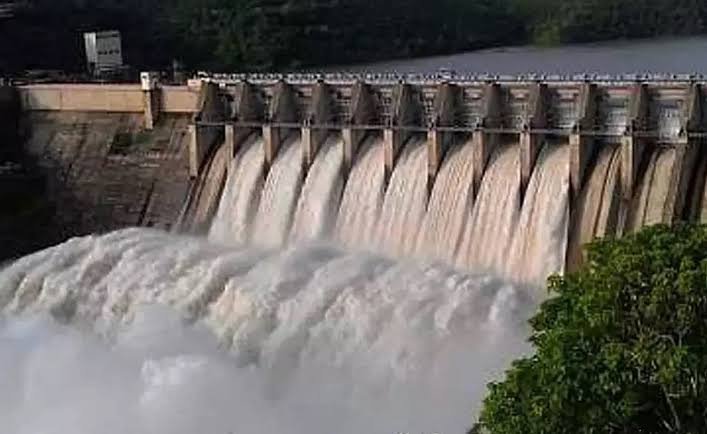
In particular, the Indian side emphasized the significance of exchanging technical information about upstream projects and reaffirmed the necessity of an early meeting of the Expert Level Mechanism on trans-border riverIndia’s long-standing worries about China’s upstream hydropower and water diversion projects, which have an impact on downstream flows into India’s northeastern states, are reflected in this emphasis.
India pushed for transparency in China’s upstream projects, according to the MEA release, pointing out that technical facts are essential for fostering confidence and preventing water-related collaboration from becoming a point of contention.
sThe Indian side has continuously demanded more information about China’s actions along transboundary rivers, especially the Brahmaputra, where the construction of large-scale dams has sparked worries about the strategic and ecological effectsThe meeting came after the 35th WMCC, which took place in Beijing in May and was characterized by positive and forward-looking discussions by both parties. Both delegates at the time expressed satisfaction with the progress made in preserving peace and tranquility along the border, pointing out that this stability has made it possible for bilateral ties to gradually normalize. The ongoing discussions in New Delhi demonstrate both nations’ dedication to maintaining contact in spite of unsolved problems.
During the 24th round of the Special Representatives’ dialog in August of last year, Chinese Foreign Minister Wang Yi and National Security Advisor Ajit Doval agreed that the boundary issue should be app
roached from the standpoint of the bilateral relationship as a wholeIn compliance with the 2005 Agreement on Political Parameters and Guiding Principles, they sought a just, reasonable, and mutually agreeable framework for settlement. The discussions also resulted in agreements to continue addressing border-related issues thru diplomatic and military channels, create additional General Level Mechanisms in the eastern and middle sectors, establish a Working Group to enhance border management, and form an Expert Group under the WMCC to investigate early progress in boundary delimitation.
In order to guaranty stability and avoid misunderstandings along the LAC, the MEA reaffirmed that both parties are still dedicated to upholding communication thru existing channelEven tho there is still strategic mistrust, the focus on communication, openness, and mechanism-building shows a careful but intentional attempt to stabilize relations. An increasingly significant aspect of bilateral ties is the junction of geopolitics and water security, which is highlighted by India’s emphasis on upstream project details.Diaspora and South Asians
s..
..