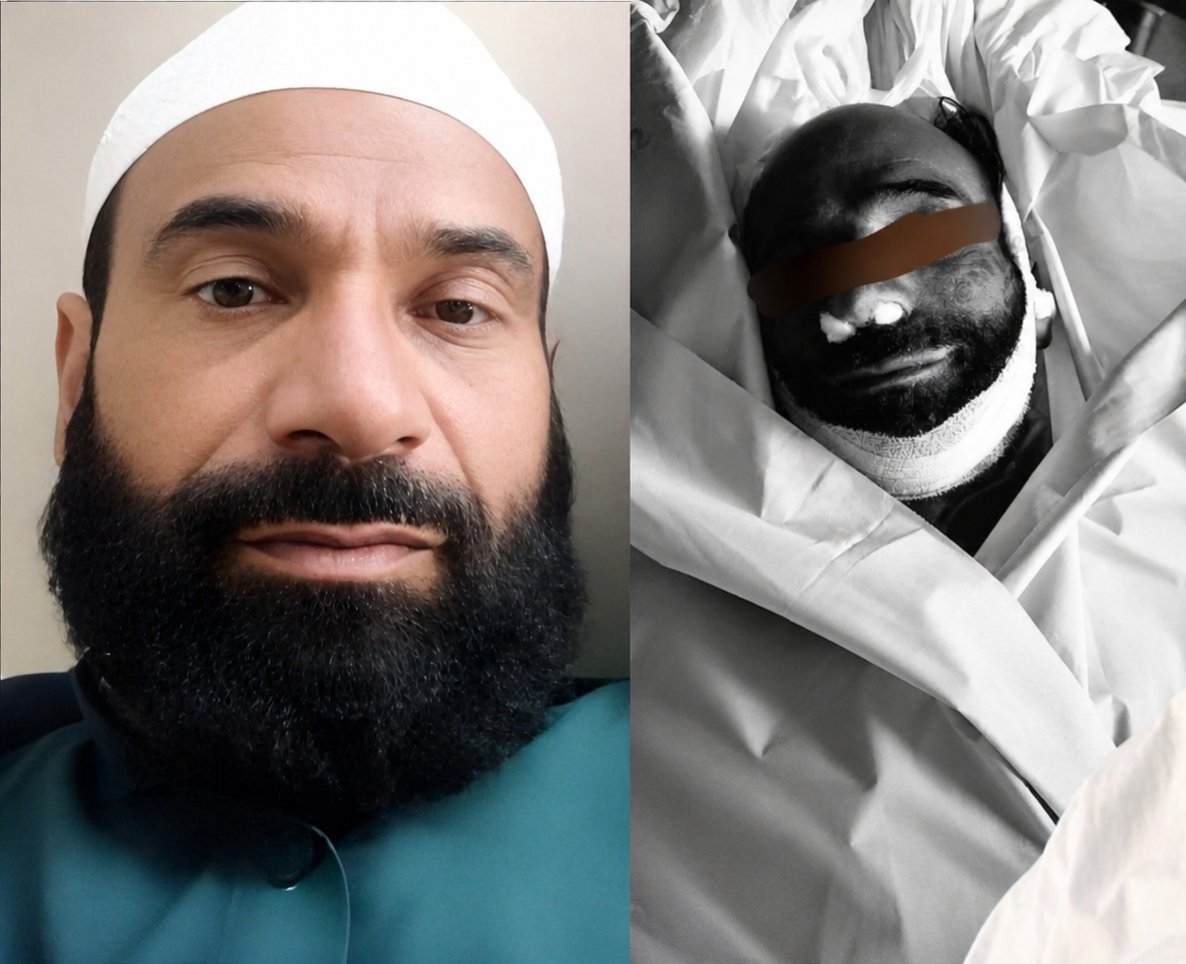
Ahmed Sajad, a Baramulla native and commander of the Hizbul Mujahideen, was discovered dead in Islamabad under unknown circumstances.
His untimely death raises concerns about internal rivalries and Pakistan’s position as a safe haven for terrorists located there, contributing to an increasing trend of targeted killings of these individuals.Senior Hizbul Mujahideen commander Ahmed Sajad was from Palhalan in Jammu and Kashmir’s Baramulla district. In order to receive weapons training, he entered Pakistan illegally in 1997 and stayed there for many years.
He allegedly oversaw several terrorist acts in Jammu and Kashmir from Islamabad, contributing significantly to the group’s continued operations against India.Pakistan-India RelationHis death, which was reported under ambiguous circumstances, has raised questions about whether he was killed by unidentified gunmen or if militant factions were at odds with one another.
It is noteworthy when he passed away. Only a few days have passed since Sheikh Yusuf Afridi, a prominent Lashkar-e-Taiba commander and close friend of Hafiz Saeed, was shot and killed on April 26, 2026, in Landi Kotal, Khyber Pakhtunkhwa.
Unidentified attackers shot Afridi at close range, continuing a string of high-profile terrorist killings within Pakistan. Another Lashkar agent, Abu Sakhar Maqsood Ahmad, also passed away around the same time, and his funeral was performed in Faisalabad.
sUnidentified attackers shot Afridi at close range, continuing a string of high-profile terrorist killings within Pakistan. Another Lashkar agent, Abu Sakhar Maqsood Ahmad, also passed away around the same time, and his funeral was performed in Faisalabad.
These cases highlight the growing vulnerability of terrorists located in Pakistan, who used to operate freely with state support.
Sajad’s death appears to be part of a larger pattern of targeted killings of anti-India agents in Pakistan, according to reports. Senior Jaish-e-Mohammad leaders, Lashkar commanders, and those connected to the IC-814 hijacking have all been eliminated in recent years.
Maulana Salman Azhar, a prominent Jaish commander and Masood Azhar’s brother, was purportedly slain in Bahawalpur just hours before word of Sajad’s passing spread. Although the perpetrators are yet unknown, this series of events suggests a concerted campaign targeting insurgent leaders.
In the past, the Pakistani administration has supported these individuals and used them as tools against India. But the current spate of murders shows that Pakistan’s extremist networks are becoming more unstable.
Analysts speculate that intelligence operations, internal conflicts, or outside pressure on Pakistan to control its jihadist infrastructure could be the cause of these eliminations. Because facts of such instances are frequently withheld, Pakistani authorities’ lack of transparency contributes to supposition.
presence in Pakistan for nearly three decades symbolised the country’s continued support for cross-border terrorism. His elimination, alongside other high-profile figures, may indicate a shift in the operational environment for militants who once enjoyed relative impunity.
Discover more
Military History Books
Defence News Subscription
In the past, the Pakistani administration has supported these individuals and used them as tools against India. But the current spate of murders shows that Pakistan’s extremist networks are becoming more unstable.
Analysts speculate that intelligence operations, internal conflicts, or outside pressure on Pakistan to control its jihadist infrastructure could be the cause of these eliminations. Because facts of such instances are frequently withheld, Pakistani authorities’ lack of transparency contributes to supposition.The future of Hizbul Mujahideen and other groups supported by Pakistan is also called into question by the developments. Senior commanders’ organizational structures are under increasing pressure as a result of their systematic targeting. These episodes both expose weaknesses in the networks that have fueled bloodshed in Jammu and Kashmir and support India’s long-standing allegations that Pakistan harbors terrorists
.